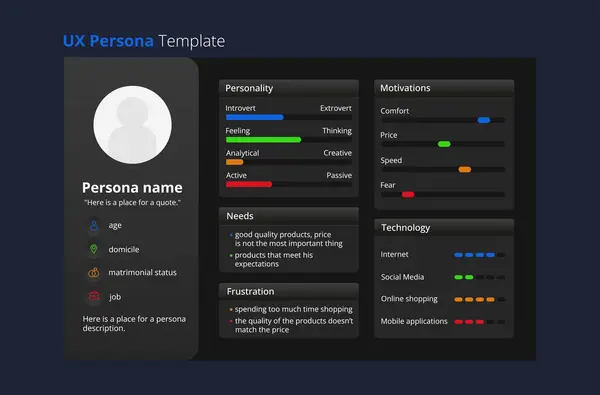
In Human-Centered Design (HCD), understanding the people who use your product or service is the cornerstone of building meaningful, effective solutions. One of the most powerful tools in this process is the User Persona a research-based representation of key user groups that captures their motivations, needs, goals, and pain points.
The Purpose of User Personas
User personas serve as a bridge between design and reality — transforming abstract data into relatable, humanized profiles. They help teams empathize with end users by illustrating who they are, what they value, and what challenges they face. By grounding decisions in real user insights, personas guide product teams to design experiences that are intuitive, relevant, and aligned with user expectations.
Where Personas Fit in the HCD Process
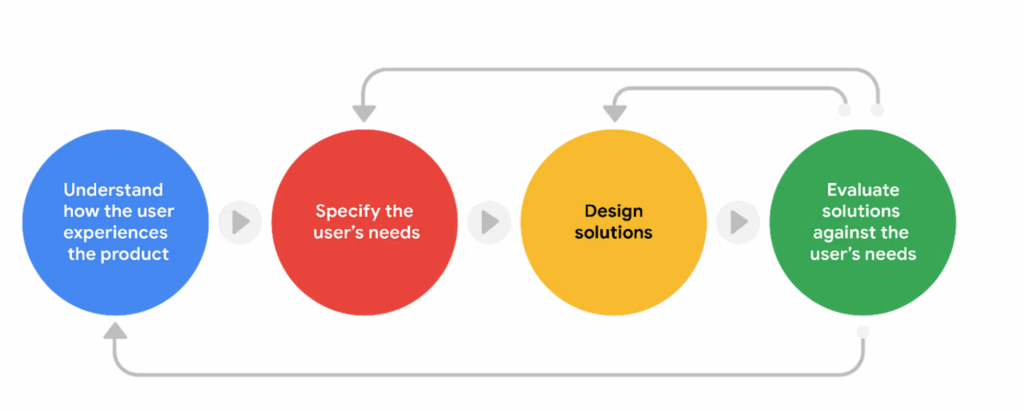
Creating user personas is a critical activity within the User Research phase of the Human-Centered Design process. During this stage, researchers and analysts gather qualitative and quantitative data through interviews, surveys, observations, and usability studies. The goal is to uncover behavioral patterns and identify shared characteristics that form the foundation of persona development.
Once synthesized, personas become a living reference point that informs subsequent design and development activities — from defining user journeys to shaping functional requirements and prioritizing features.
Outputs Captured Through User Personas
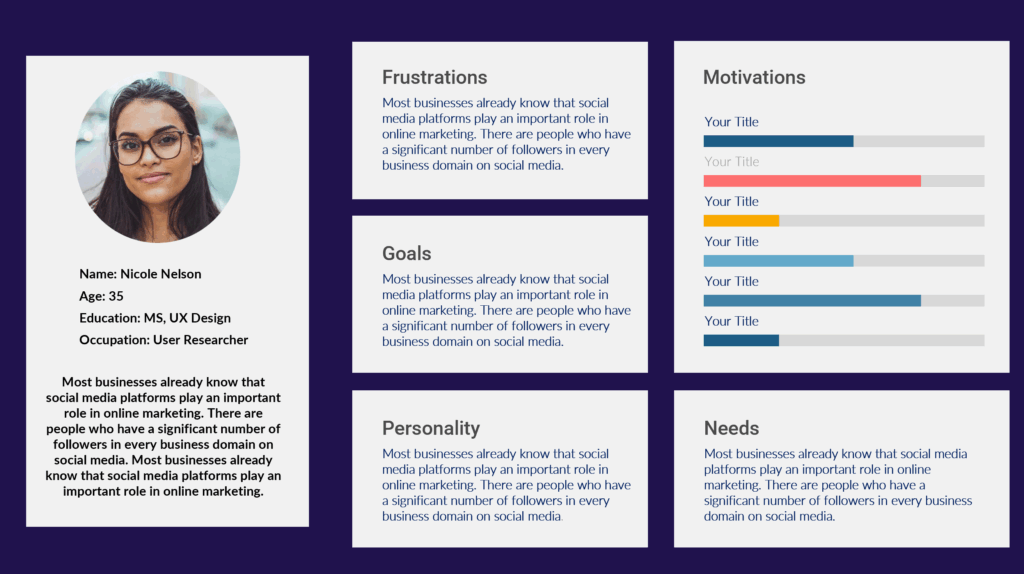
Well-developed user personas capture a range of essential insights, including:
User Needs: The problems or desires that users expect the product or service to fulfill.
Goals: The outcomes or achievements users seek through their interactions.
Pain Points: Frustrations, barriers, or inefficiencies that negatively impact the user experience.
Behaviors and Motivations: How users engage with the product, what drives their decisions, and what influences their actions.
These outputs ensure that every design and product decision remains anchored in real-world context, not assumptions.
The Role of the Business Analyst in Persona Development

While designers often lead persona creation, Business Analysts (BAs) play a vital role in ensuring user needs align with organizational goals and technical feasibility. Through stakeholder interviews, process analysis, and requirement documentation, BAs translate persona insights into actionable business and functional requirements.
They serve as a connector — bridging user research with business strategy. This alignment ensures that solutions are not only desirable for users but also viable for the business and feasible for development teams.
Conclusion
User personas are more than just profiles; they are strategic tools that keep teams focused on what truly matters the people who will use and benefit from the product. By integrating personas early in the HCD process and leveraging the analytical rigor of business analysts, organizations can create solutions that are both user-centered and business-aligned.
When teams understand who they’re designing for and why, they create products that resonate, inspire, and deliver lasting impact.