Understanding User Personas: The Foundation of Human-Centered Design

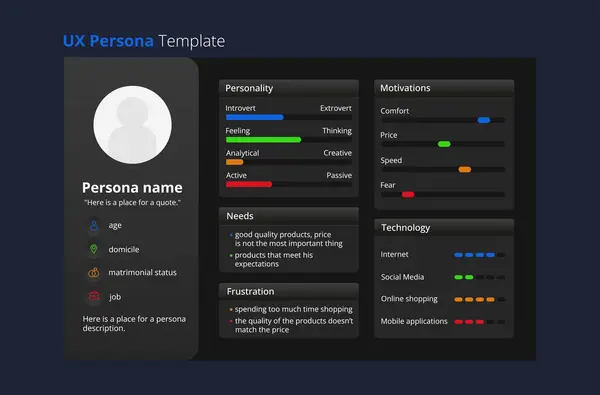
In Human-Centered Design (HCD), understanding the people who use your product or service is the cornerstone of building meaningful, effective solutions. One of the most powerful tools in this process is the User Persona a research-based representation of key user groups that captures their motivations, needs, goals, and pain points.

The Purpose of User Personas

User personas serve as a bridge between design and reality — transforming abstract data into relatable, humanized profiles. They help teams empathize with end users by illustrating who they are, what they value, and what challenges they face. By grounding decisions in real user insights, personas guide product teams to design experiences that are intuitive, relevant, and aligned with user expectations.

Where Personas Fit in the HCD Process
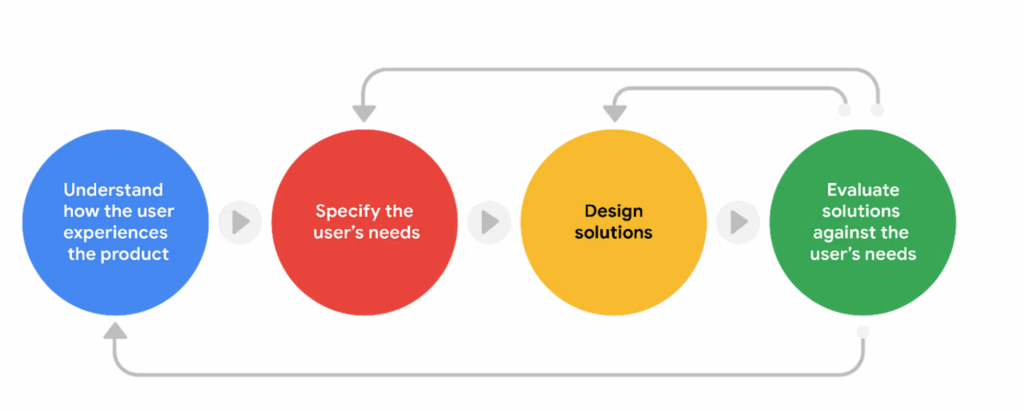
Creating user personas is a critical activity within the User Research phase of the Human-Centered Design process. During this stage, researchers and analysts gather qualitative and quantitative data through interviews, surveys, observations, and usability studies. The goal is to uncover behavioral patterns and identify shared characteristics that form the foundation of persona development.

Once synthesized, personas become a living reference point that informs subsequent design and development activities — from defining user journeys to shaping functional requirements and prioritizing features.

Outputs Captured Through User Personas
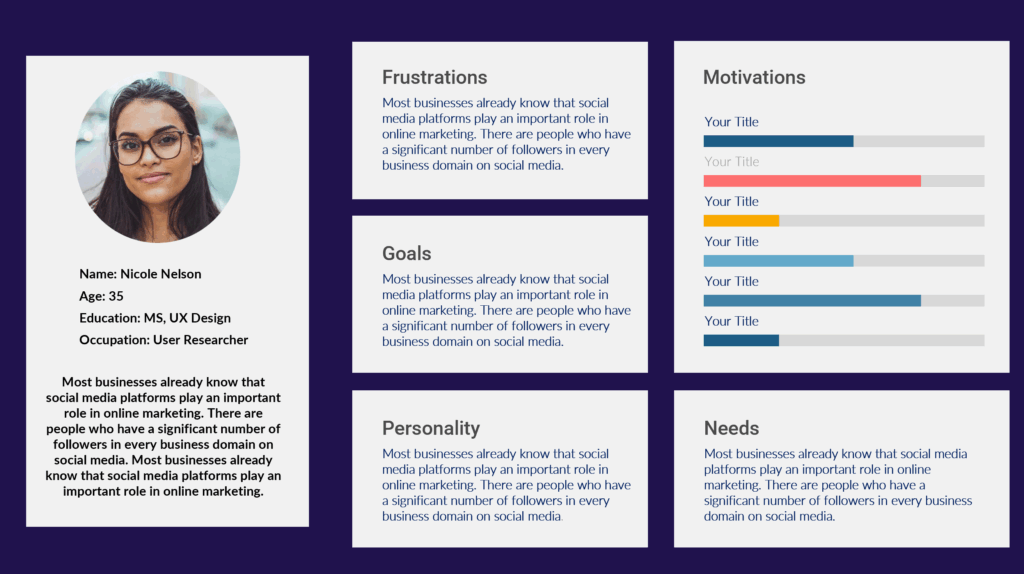
Well-developed user personas capture a range of essential insights, including:

User Needs: The problems or desires that users expect the product or service to fulfill.

Goals: The outcomes or achievements users seek through their interactions.

Pain Points: Frustrations, barriers, or inefficiencies that negatively impact the user experience.

Behaviors and Motivations: How users engage with the product, what drives their decisions, and what influences their actions.

These outputs ensure that every design and product decision remains anchored in real-world context, not assumptions.

The Role of the Business Analyst in Persona Development

While designers often lead persona creation, Business Analysts (BAs) play a vital role in ensuring user needs align with organizational goals and technical feasibility. Through stakeholder interviews, process analysis, and requirement documentation, BAs translate persona insights into actionable business and functional requirements.

They serve as a connector — bridging user research with business strategy. This alignment ensures that solutions are not only desirable for users but also viable for the business and feasible for development teams.

Conclusion

User personas are more than just profiles; they are strategic tools that keep teams focused on what truly matters the people who will use and benefit from the product. By integrating personas early in the HCD process and leveraging the analytical rigor of business analysts, organizations can create solutions that are both user-centered and business-aligned.

When teams understand who they’re designing for and why, they create products that resonate, inspire, and deliver lasting impact.
🧭 Strategic vs. Product Roadmaps: Visualizing the Path from Vision to Delivery

Introduction

In today’s fast-paced product environment, clarity and alignment are vital. A well-crafted roadmap is more than a list of milestones — it’s a visual story that connects the product vision, organizational strategy, and delivery outcomes.

Yet, not all roadmaps serve the same purpose. The two most common — the Strategic Roadmap and the Product Roadmap play distinct but complementary roles in ensuring alignment from the boardroom to the scrum team.


1. The Strategic Roadmap: Framing the Vision

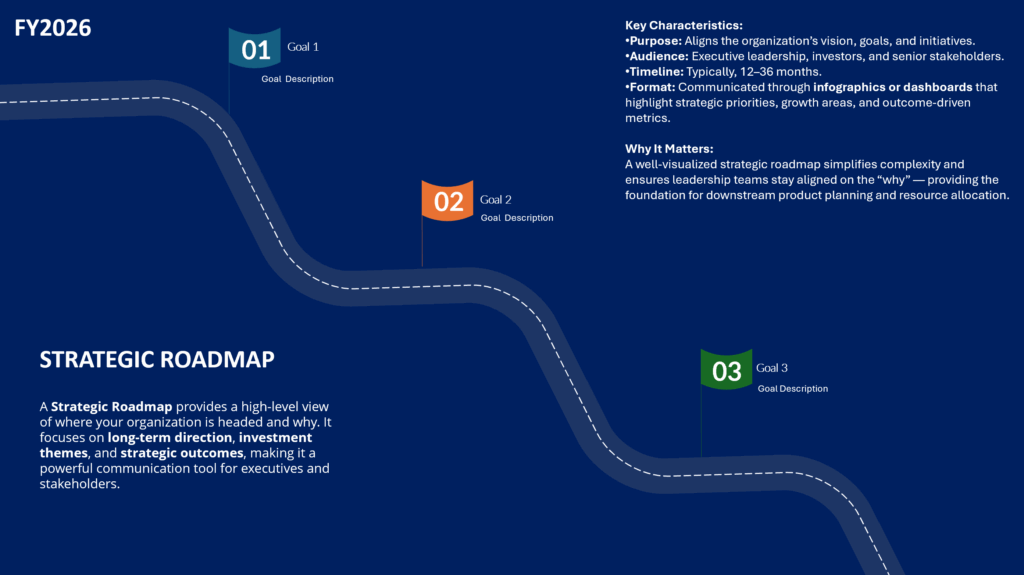
A Strategic Roadmap provides a high-level view of where your organization is headed and why. It focuses on long-term direction, investment themes, and strategic outcomes, making it a powerful communication tool for executives and stakeholders.

Key Characteristics:

  • Purpose: Aligns the organization’s vision, goals, and initiatives.
  • Audience: Executive leadership, investors, and senior stakeholders.
  • Timeline: Typically 12–36 months.
  • Format: Communicated through infographics or dashboards that highlight strategic priorities, growth areas, and outcome-driven metrics.

Why It Matters:
A well-visualized strategic roadmap simplifies complexity and ensures leadership teams stay aligned on the “why” — providing the foundation for downstream product planning and resource allocation.


2. The Product Roadmap: Translating Vision into Execution

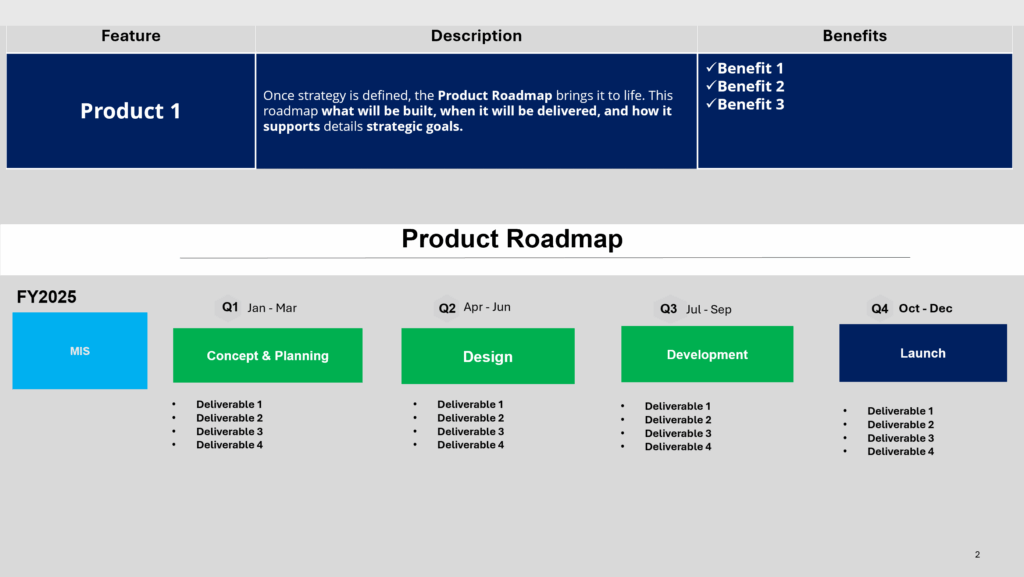
Once strategy is defined, the Product Roadmap brings it to life. This roadmap details what will be built, when it will be delivered, and how it supports strategic goals.

Key Characteristics:

  • Purpose: Guides execution and communicates delivery progress.
  • Audience: Product teams, engineering, marketing, and operations.
  • Timeline: Typically 3–12 months.
  • Format: Presented in PowerPoint decks or interactive planning tools, featuring timelines, deliverables, dependencies, and KPIs.

Why It Matters:
A tactical roadmap ensures every sprint, release, and milestone ties directly back to the larger organizational strategy — keeping execution focused, measurable, and transparent.


3. Communicating with Visuals: From Complexity to Clarity

Great roadmaps don’t just inform — they inspire action. Visuals play a critical role in making complex information understandable across audiences.

Strategic Roadmaps benefit from:

  • Infographic-style layouts showing pillars, themes, and investment areas.
  • High-level visuals that emphasize outcomes over features.

Product Roadmaps thrive with:

  • PowerPoint templates that include timelines, release phases, and dependencies.
  • Clear milestone visuals that connect tactical progress to strategic objectives.

By tailoring your visual approach, you make it easier for stakeholders to interpret the story behind the roadmap — reducing confusion and increasing confidence in the plan.


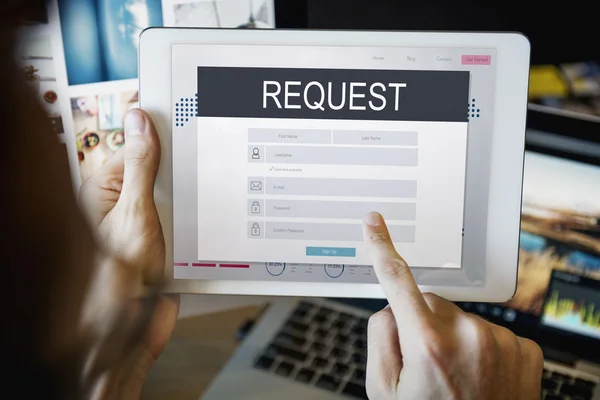
4. Request Visual Roadmap Templates

To make it easier for teams to get started, we’ve created ready-to-use visual roadmap templates that include both:

  • Strategic Roadmap Infographics, and
  • Product Roadmap PowerPoint layouts with timeline and deliverable structures.

📩 Click here to request access to the Visual Roadmap Templates via Google Form.

These templates are designed to help product managers and leaders present their roadmap with clarity, consistency, and alignment — no matter where they are in the planning cycle.


5. Final Thoughts

A roadmap is more than a planning artifact it’s a strategic communication tool that connects vision to value.

By distinguishing between strategic and product roadmaps and presenting them through clear, visually engaging formats, product managers can:

  • Strengthen alignment across teams,
  • Improve stakeholder engagement, and
  • Drive execution with greater confidence and transparency.

As organizations evolve, so should the way we communicate our vision.
A visual roadmap doesn’t just show the path — it makes the journey understandable, actionable, and inspiring.

From WooCommerce to Custom MERN Stack

How a Boutique Hair Company Scaled Their E-Commerce Site

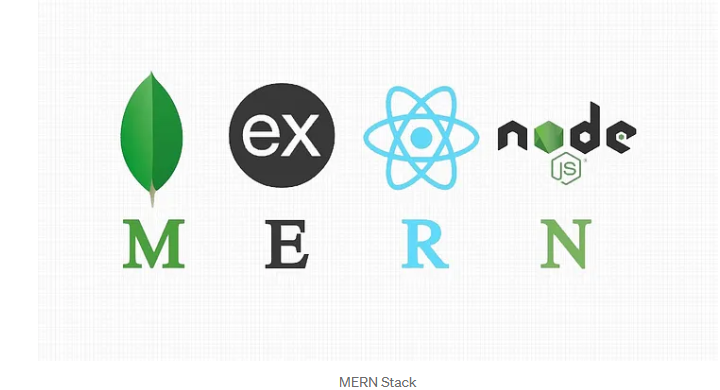
In today’s competitive beauty and retail market, customer experience, performance, and scalability are no longer luxuries they are expectations. For one ambitious boutique hair company, the limitations of their WooCommerce-powered site began to restrict growth and efficiency. That’s when they partnered with a professional services team to build a fully customized MERN stack (MongoDB, Express.js, React.js, Node.js) e-commerce platform.

This post explores why the shift was necessary, the trade-offs of going custom, and the measurable business outcomes that followed.


Background: A Boutique Hair Business with Big Ambitions

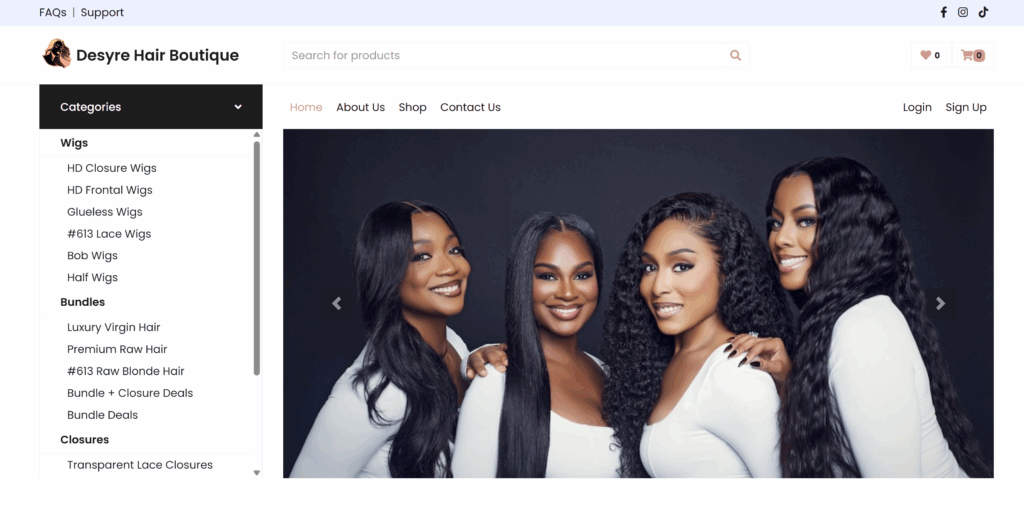
Desyre Hair Boutique specializes in premium wigs, bundles, closures, and frontals. Their goal: to deliver a luxury shopping experience online with the same ease as in-person consultations.

Initially, they launched on WooCommerce for affordability and speed—but as their brand gained traction, cracks began to show.


Pain Points of WooCommerce

While WooCommerce provided a quick entry point into e-commerce, the platform’s limitations became more evident as the business scaled.

1. Performance Bottlenecks

  • Slower load times as product images, plugins, and traffic grew
  • Frequent downtime during product drops and flash sales

2. Customization Constraints

  • Rigid checkout process without support for installment plans or bundle builders
  • Limited control over the front-end experience without heavy plugin reliance

3. Security & Maintenance

  • Dependence on third-party plugins created security vulnerabilities
  • WordPress updates often broke site elements or customizations

Why a Custom MERN Stack Solution?

To overcome these barriers, DHB engaged MIS professional services team to design and develop a custom MERN stack platform tailored to their specific needs. The new system offered complete control, performance optimization, and scalable architecture.


WooCommerce vs. Custom MERN Stack: Pros & Cons

FeatureWooCommerceCustom MERN Stack
PerformanceLimited by hosting & pluginsOptimized with server-side rendering & APIs
CustomizationDependent on pluginsFull flexibility across UI & workflows
SecurityPlugin vulnerabilitiesCustom security protocols
ScalabilityWorks for small-to-mid catalogsBuilt for growth & enterprise-level
Time to LaunchQuick setupLonger dev lifecycle
MaintenanceRequires plugin monitoringNeeds dev support, but fewer risks
CostLow upfront, higher plugin costsHigher upfront, lower long-term costs

Features of the New Custom Platform

  • Dynamic product filters (by texture, length, color, type)
  • AI-powered wig size recommender
  • Custom bundle builder (mix-and-match closures, wefts, lace)
  • Integrated payment options (Klarna, AfterPay)
  • Real-time inventory management
  • Customer dashboard with loyalty points & order tracking
  • Mobile-first design optimized for 90%+ mobile shoppers

Quantified Success

Business Outcomes:

  • +60% Conversion Rate in first 3 months
  • 2x Increase in Average Order Value through upselling & bundling
  • 50% Reduction in Cart Abandonment
  • 75% Drop in Support Tickets related to order tracking

Customer Outcomes:

  • Faster load times: from 7 seconds → 1.2 seconds
  • Improved mobile experience: +40% engagement
  • Flexible payments: Klarna & AfterPay cited as key decision factors

Voices from the Journey

Business Owner:
“Our old WooCommerce site was holding us back. With the custom app, we’re finally in control and able to scale confidently.”

Customer:
“I never thought I’d buy a wig online, but the sizing tool and bundle builder made it easy and splitting payments sealed the deal.”


Final Thoughts: Should You Go Custom?

For DHB, outgrowing WooCommerce was inevitable. While custom MERN development requires more upfront investment, the long-term gains—in scalability, customer experience, and reduced operational friction—delivered a strong ROI.

A custom platform isn’t for every business, but for brands whose growth is outpacing WooCommerce’s capabilities, a tailored solution built by a professional services team may be the key to unlocking the next level of success.


Ready to Scale Beyond WooCommerce?

If your business is hitting similar roadblocks, consider whether a custom tech build is right for your growth strategy. The right platform could be the difference between keeping up and breaking through.

Large Language Design Models LLDM

Designing the Future: The Rise of LLDMs (Large Language Design Models)

Introduction:
In the evolving world of technology, Large Language Models (LLMs) like ChatGPT have been making headlines for their impressive capabilities in understanding and generating human-like text. But beyond language lies a more focused application for designers and developers: Large Language Design Models (LLDMs). These advanced models are poised to transform how we approach user interface (UI) and user experience (UX) design by integrating generative AI with design principles. As a Principal UI Architect, let’s delve into this emerging field, its maturity as a product, and its pros and cons.


What Are LLDMs?


How LLDMs Will Mature as a Product

LLDM technology is currently in its nascent stages, often integrated into broader design tools like Figma or Adobe XD. However, here’s how it’s likely to evolve:

  1. Contextual Design Generation: Models will become adept at understanding specific design contexts, such as industry standards, accessibility requirements, and branding guidelines, to produce tailored recommendations.
  2. Collaborative Workflows: LLDMs will integrate seamlessly with team workflows, enabling real-time collaboration by suggesting improvements during design sprints.
  3. Explainable AI in Design: Future LLDMs will provide detailed explanations for their suggestions, making it easier for designers to trust and refine AI-generated outputs.
  4. Feedback Loops: The ability to learn from user feedback and improve iteratively will enhance their precision and relevance over time.
  5. Cross-Disciplinary Applications: Beyond UI/UX, LLDMs could assist with product strategy by simulating user behaviors, improving onboarding flows, and aligning designs with business goals.

Advantages of LLDMs

  1. Speed and Efficiency: LLDMs can generate design prototypes in minutes, dramatically reducing the initial ideation phase.
  2. Data-Driven Insights: They analyze vast datasets to make recommendations, helping eliminate guesswork in design.
  3. Scalability: Whether you’re designing for mobile, web, or IoT, LLDMs can adapt designs for multiple platforms effortlessly.
  4. Accessibility Optimization: LLDMs are trained to consider accessibility standards like WCAG, making inclusive design more achievable.
  5. Cost Reduction: By streamlining repetitive tasks, LLDMs free up human designers for more strategic, creative work.

Disadvantages and Drawbacks

  1. Creativity Constraints: LLDMs work within the boundaries of their training data, which may limit innovation or lead to designs that feel formulaic.
  2. Learning Curve: Integrating LLDMs into workflows may require training and adjustments, especially for teams new to AI tools.
  3. Dependence on Data Quality: The quality of LLDM outputs depends heavily on the datasets they’re trained on. Biases or gaps in the data could lead to suboptimal designs.
  4. Ethical Concerns: Over-reliance on AI for design decisions could raise questions about authorship and accountability.
  5. Job Displacement Fears: While LLDMs are meant to augment human creativity, there’s a risk of designers feeling threatened by automation.

The Path Forward

As LLDMs continue to mature, the role of designers will shift. Instead of solely crafting interfaces, designers will act as orchestrators—guiding AI tools to align outputs with user needs and business objectives. The future lies in collaboration, where LLDMs enhance creativity rather than replace it.

For organizations, adopting LLDMs means staying ahead in a competitive digital landscape. By leveraging these tools, teams can iterate faster, deliver user-centered designs, and adapt to ever-changing market demands.


Conclusion:

Large Language Design Models represent the next wave of innovation in the UI/UX space. While challenges exist, the potential to revolutionize design workflows is undeniable. As we embrace these tools, the emphasis must remain on creating meaningful, human-centered experiences—because at the end of the day, even the smartest LLDM is only as good as the vision guiding it.

Are you ready to design with the future in mind?